
Keyword Clustering Techniques That Transform Your Content Strategy for Business Growth
Are you ready to turn keyword research into a systematic engine that drives traffic, leads, and revenue for your business?
Key takeaways
- Keyword clustering groups related terms so a page can serve multiple queries.
- Pillar, question, buyer-intent, and long-tail clusters together cover the full funnel.
- Follow six steps: collect, analyze intent, group, map to formats, publish, measure.
- Prioritize clusters by business value and buyer stage, not raw search volume alone.
- Fix cannibalization by merging pages or splitting content when intents diverge.
Keyword Clustering Techniques That Transform Your Content Strategy for Business Growth
This article shows you how to use keyword clustering to create content that ranks, converts, and builds topical authority. You’ll learn practical steps, tools, and examples you can use right away to make your content strategy more efficient and aligned with business goals. The approach is friendly, tactical, and geared toward busy business owners and entrepreneurs who want measurable results.
Introduction: Why keyword clustering matters for your business
Keyword research alone won’t scale your content marketing the way intelligent clustering will. When you group related keywords into clusters, you create content that matches user intent, covers topics comprehensively, and signals authority to search engines. This converts scattered keyword lists into a structured content plan that drives business growth.
Take a moment to think about your current content calendar. If topics feel repetitive or your pages don’t rank beyond a few handfuls of keywords, clustering could provide the clarity and strategy you need to grow.
What is keyword clustering?
Keyword clustering is the process of grouping related keywords by topic, intent, or semantic similarity. Instead of treating each keyword as a separate target, you organize them into clusters that align with content pages or content hubs. This helps you write content that satisfies multiple search queries and users at different stages of the buyer journey.
Clustering reduces overlap, minimizes cannibalization, and helps you plan pillar pages and supporting articles that work together to boost visibility and conversions.
Why keyword clustering drives business growth
You want content that does more than attract clicks. You want content that builds trust, generates leads, and increases sales. Keyword clustering helps you produce content that matches real user needs across awareness, consideration, and decision stages.
Well-clustered content raises topical authority, improves internal linking, and increases average time on site. That leads to better organic rankings, more qualified traffic, and higher conversion rates for your products or services.

This image is property of images.unsplash.com.
Core principles of effective keyword clustering
Good clustering is guided by clear principles: relevance, intent, search volume balance, and commercial value. You should focus on the keywords that matter most to your business goals and separate navigational or branded queries from informational and transactional intents.
These principles help you decide whether to build a single long-form page, a series of supporting posts, or a conversion-focused landing page for each cluster.
Types of keyword clusters you should use
You’ll typically create clusters around topical pillars, question clusters, buyer intent clusters, and long-tail niche clusters. Each type serves a different role in your content ecosystem and supports different parts of the sales funnel.
By mixing cluster types, you can attract new traffic, educate prospects, and push decision-ready visitors toward conversion.
Pillar clusters
Pillar clusters are broad, high-value topics that act as the central hub for many related subtopics. A pillar page covers the main topic comprehensively and links to detailed cluster pages.
You should use pillar clusters to build topical authority and provide a clear navigation path for users and search bots.
Question clusters
Question clusters focus on “how,” “what,” “why,” and other user queries. These clusters are perfect for FAQs, blog posts, and content that addresses specific pain points.
Question-focused content is great for capturing featured snippets and voice search opportunities, which often drives high-quality traffic.
Buyer intent clusters
Buyer intent clusters group keywords with transactional or commercial intent. These are the terms that indicate a readiness to purchase or sign up, such as “best CRM for small business” or “pricing for X service.”
You’ll use buyer intent clusters to create conversion-optimized pages, product comparisons, and case study content.
Long-tail niche clusters
Long-tail clusters are made up of specific, lower-volume queries that are usually easier to rank for and often convert well. These are often overlooked but can add steady, qualified traffic to your site.
Long-tail content helps you capture niche audiences and supports your broader pillar pages with depth and detail.
Basic steps to build keyword clusters
Follow a structured process: research, group, map to content, create internal links, and measure results. This repeatable workflow turns chaotic keyword lists into a sustainable content operation.
You’ll also save time and resources by prioritizing clusters that align with your audience and business goals.
Step 1: Collect keyword data
Start with seed keywords tied to your core offerings and use tools to expand your list. Include variations, questions, long-tail phrases, and related semantic terms.
Make sure you capture search volume, CPC, difficulty, and any notes on intent during this phase.
Step 2: Analyze search intent
Classify keywords by intent: informational, navigational, commercial, or transactional. Understanding intent helps you map keywords to the right content type and stage in the funnel.
If two keywords have similar words but different intent, treat them in separate clusters to avoid confusing users and search engines.
Step 3: Group similar keywords
Use manual analysis, semantic similarity, or tools to cluster keywords into groups that should be covered together. Look for common modifiers, shared search results, and overlapping SERP features.
Group keywords into clusters that reflect how a user would naturally progress through a topic.
Step 4: Map clusters to content formats
Decide whether each cluster becomes a pillar page, a blog post, product page, comparison article, or FAQ. Align the format with user intent and your conversion goals.
Mapping clusters to formats early helps you plan content that meets both SEO and business needs.
Step 5: Create content and internal linking
Write content that comprehensively covers the cluster and links to related pieces within the group. Use clear anchor text and logical navigation to connect pages.
This internal linking strategy spreads authority and helps search engines understand the topical structure of your site.
Step 6: Measure and iterate
Track performance by cluster rather than by individual keywords. Monitor organic traffic, rankings, engagement metrics, and conversions, then refine clusters and content based on what works.
Continuous iteration ensures your content stays aligned with evolving search behavior and business priorities.
Tools and technologies for keyword clustering
You don’t need enterprise software to start, but some tools make clustering scalable and repeatable. Use a mix of keyword research tools, clustering algorithms, and SEO platforms.
Below is a table comparing common tools, what they’re good for, and recommended use cases.
| Tool | Best for | Use-case summary |
|---|---|---|
| Google Keyword Planner | Basic keyword volume and CPC | Good for seed keyword ideas and budget estimates |
| Ahrefs | Keyword research, SERP analysis | Strong for competitor research and cluster candidate discovery |
| SEMrush | Keyword tracking, content gap | Useful for mapping keywords to content and tracking performance |
| KeywordInsights / ClusterAi | Automated clustering | Great for grouping large lists into topical clusters |
| SurferSEO / Clearscope | Content optimization | Helps ensure content fits semantic expectations of top-ranked pages |
| Screaming Frog | Site auditing, internal links | Useful for mapping existing content to clusters and fixing structure |
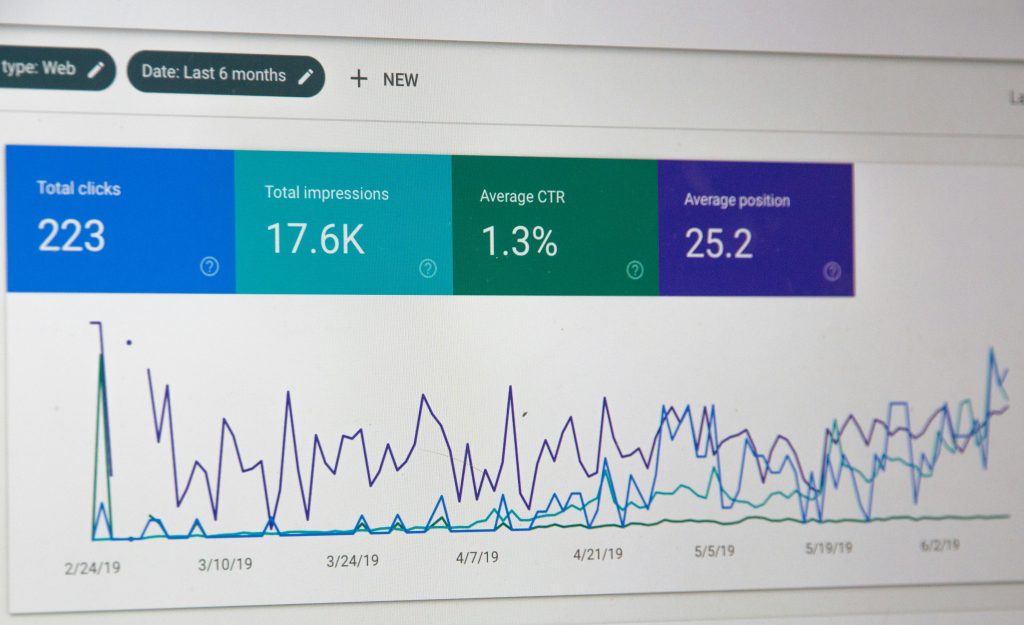
| Google Search Console | Performance monitoring | Track clicks, impressions, and query performance per cluster |
Use a combination of these tools depending on your budget, team size, and technical skills. Automated clustering speeds up the process for large lists, while manual checks keep relevance accurate.
This image is property of images.unsplash.com.
How to pick the best clusters for your business
Not every cluster will help your bottom line. Prioritize clusters based on business value, search volume, competition level, and alignment with your buyer journey. Ask: will this cluster attract potential customers, support existing products, or build brand trust?
Make a shortlist of high-impact clusters and schedule them into a content calendar that balances big pillar content with supporting posts.
Cluster mapping example: SaaS CRM
A visual mapping helps you see how clusters support each other and where conversions happen.
| Cluster Name | Intent | Content Type | Target KPI |
|---|---|---|---|
| CRM Features | Informational | Pillar page | Organic visits, time on page |
| CRM Pricing | Commercial | Pricing page | Leads, signups |
| CRM vs Competitor X | Transactional | Comparison article | Clicks to sign-up, demo requests |
| CRM Setup Guide | Informational | How-to blog | Engagement, return visits |
| CRM Security | Informational | FAQ / pillar subtopic | Trust signals, enterprise leads |
This map shows how you can route users from awareness to decision within a topic vertical, increasing the likelihood of conversion.
Writing content for clusters: structure and best practices
Write for humans first and search engines second. Use a clear hierarchy: pillar pages for breadth, cluster pages for depth. Make sure each piece has a unique purpose and target intent. Use headers, bulleted lists, and visuals to improve readability.
Also, optimize meta titles, descriptions, and H1s for the primary keyword but include cluster keywords naturally throughout the content.