SEO Versus GEO Optimization: Choosing the Right Strategy to Grow Your Local Business
Which strategy will drive more customers to your shop or service area: traditional SEO or GEO optimization?
This image is property of images.unsplash.com.
SEO Versus GEO Optimization: Choosing the Right Strategy to Grow Your Local Business
You run a business and you need more customers who can actually buy from you. This article gives a clear, friendly, step-by-step guide so you can pick and apply the right mix of SEO and GEO strategies to grow locally, boost revenue, and spend your marketing dollars wisely.
Introduction: a clear decision you can act on
Choosing between SEO and GEO optimization can feel confusing, especially when your time and budget are limited. This guide breaks down both approaches in plain language, shows when each one wins, and gives a practical plan you can follow in the next 90 days.
What is SEO?
SEO (Search Engine Optimization) is the practice of improving your website so it ranks higher in organic search results across search engines. You use SEO to attract users who are searching for products, services, or answers related to your business.
Types of SEO
On-page SEO focuses on the content and HTML elements on each page, like headings, meta tags, and user-friendly copy. It helps search engines understand what your pages are about and encourages users to click and stay.
Off-page SEO refers to signals that come from outside your site, such as backlinks, mentions, and brand authority. These signals tell search engines that other sites trust your content, which can boost your rankings.
Technical SEO covers site speed, mobile-friendliness, crawlability, structured data, and secure connections (HTTPS). Getting technical SEO right ensures search engines can find and index your pages correctly.
What is GEO Optimization?
GEO optimization targets users based on geographic location to attract customers who are near your physical location or in a specific service area. Instead of trying to rank for broad searches, GEO focuses on visibility for people in the places that matter most to your business.
Common GEO tactics
Local landing pages tailored to specific neighborhoods or cities increase relevance for geographically targeted queries. You create content and calls to action that speak directly to each location.
Geotargeted ads allow you to show pay-per-click campaigns only to people within chosen radii or zip codes. This prevents wasted ad spend on distant users and drives immediate traffic and leads.
Local citations and directory listings ensure consistent contact details across the web, improving both visibility and trust among local search engines. These include sites like Yelp, Bing Places, and local chambers of commerce.
Geotagging and location metadata (like structured schema markup) help search engines and apps understand your service area and physical locations. This increases the chance of your business showing in local packs and maps.
Key differences between SEO and GEO optimization
Both strategies aim to bring traffic and customers, but they work differently. SEO builds broad, sustainable visibility across search engines, while GEO optimization narrows focus to specific geographic audiences for faster local impact.
| Feature | SEO (Traditional) | GEO Optimization (Local) |
|---|---|---|
| Primary focus | Ranking on broad and long-tail keywords | Ranking/visibility for specific locations |
| Time to see results | Weeks to months for organic traction | Days to weeks for local listings and ads |
| Best for | National or content-driven businesses | Brick-and-mortar stores, local service providers |
| Main channels | Organic search, content, backlinks | Local listings, geo-ads, Google Business Profile |
| Costs | Low ongoing cost, investment in content & links | May need ad spend, local listing management |
| Measurement | Organic traffic, keyword rankings | Local leads, map visibility, foot traffic |
When should you prioritize SEO?
You should prioritize traditional SEO when you want to build long-term online authority, attract customers across a wider region, or sell products and services that don’t depend on physical proximity. SEO is also a good fit if you offer online bookings, nationwide shipping, or digital services.
Situations favoring SEO
If you sell specialty products online and want sustainable organic traffic over months and years, SEO is the right bet. If you publish helpful content, guides, or videos that attract searchers, SEO compounds value over time.
When should you prioritize GEO optimization?
Choose GEO optimization when most of your customers must be nearby to purchase or use your service. It’s the fastest way to claim visibility for city- or neighborhood-level searches and to increase walk-ins, calls, and local bookings.
Situations favoring GEO
If you run a restaurant, dental clinic, plumbing service, or retail storefront, GEO tactics put you in front of people who can visit today. Local ads and Google Business Profile updates often deliver immediate gains.
How SEO and GEO work together
You don’t have to pick only one approach. Combining SEO and GEO gives you long-term search authority and short-term local visibility. Use GEO tactics to capture immediate local demand while investing in SEO for future growth beyond your immediate area.
Coordinating both strategies
Create localized content that also follows SEO best practices so it ranks both in local packs and organic search. Use local landing pages with strong on-page SEO, and support those pages with citations and targeted ads to accelerate traffic.
Step-by-step implementation plan (combined)
Here’s a practical plan you can follow to implement SEO and GEO optimization over 90 days. It’s split into weekly tasks to keep the work manageable and results-visible.
90-day roadmap (high level)
| Timeframe | Focus | Key Actions |
|---|---|---|
| Days 1–14 | Foundations | Audit website, claim Google Business Profile, fix NAP (Name, Address, Phone) consistency |
| Days 15–30 | Local presence | Create 2–3 local landing pages, submit listings to top directories, set up local tracking |
| Days 31–60 | Content & On-page SEO | Publish local content, optimize meta tags, implement schema markup |
| Days 61–90 | Promotions & Ads | Launch geotargeted ads, solicit local reviews, begin link outreach to local sites |
| Ongoing | Measurement & improvement | Monitor KPIs, update content, respond to reviews, track rankings and leads |
Audit checklist: what you must inspect first
Start with a quick audit so you know where effort will pay off. This checklist gives you a clear set of technical, on-page, and local items to review.
Essential audit items
- Website speed on mobile and desktop; fix slow pages.
- Mobile responsiveness and user experience.
- Clear NAP on the site and microdata (schema).
- Google Business Profile claimed and verified.
- Consistency of name, address, phone across top directories.
- Local landing pages and localized content presence.
- Backlink profile and spam signals.
This image is property of images.unsplash.com.
Keyword research for local and GEO-focused queries
Keyword research for local businesses blends standard search terms with location qualifiers and intent signals. You want to find the phrases customers in a specific area actually use when they search.
Practical keyword approach
Start with seed keywords (your services + location). Use tools like Google Keyword Planner, Moz Keyword Explorer, or Ubersuggest to find search volume and related phrases. Prioritize high-intent keywords like “near me,” “in [city],” and “emergency [service] [city].”
Google Business Profile and local listings
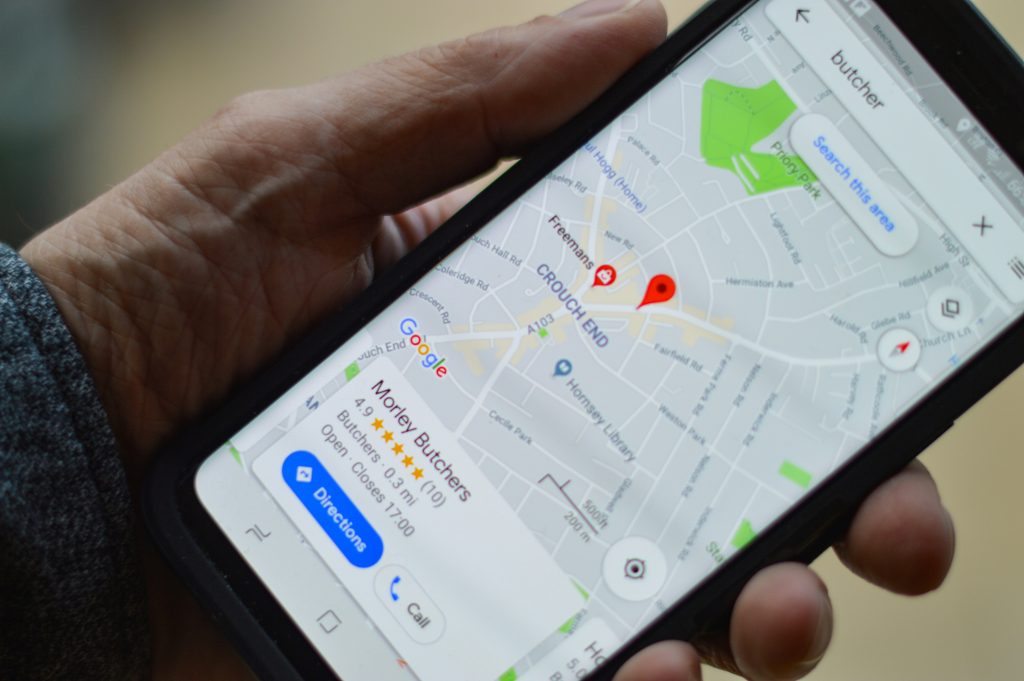
Google Business Profile (GBP) is one of the single most powerful tools for local visibility. It controls your presence in Google Maps and the local pack, and it’s often the first thing potential customers see.
Optimizing your GBP
Claim and verify your listing, fill out every field, choose accurate categories, add high-quality photos, and keep hours updated. Encourage customers to leave reviews and respond to each review courteously and professionally.
On-page and technical SEO checklist
Good on-page and technical SEO makes your site readable to search engines and helpful to visitors. For local businesses, on-page signals combined with local schema are especially important.
Must-do items
- Use clear H1 headings that include primary keywords and location when appropriate.
- Write descriptive meta titles and meta descriptions that invite clicks.
- Add LocalBusiness schema with your full NAP and service area.
- Ensure site security (HTTPS) and fast load times.
- Use descriptive URLs and include location slugs for local pages.
Local content strategy: topics that drive local traffic
Your content should answer the real questions local customers ask. Good local content draws people in, builds trust, and naturally attracts local backlinks and social shares.
Content ideas for local businesses
- Local service pages focusing on neighborhoods or zip codes.
- Blog posts about local events, local guides, or how-to articles tied to your services.
- Case studies highlighting customers in specific nearby locations.
- Frequently asked questions that address local conditions, regulations, or availability.
Link building and local citations
Backlinks give authority, while citations ensure consistency of your contact details across the web. Both support higher rankings in general and in local results.
Local link tactics
Reach out to local organizations, sponsorship opportunities, and neighborhood blogs. Offer to write guest posts, provide expert quotes for local press, or sponsor a community event to earn links and mentions.

This image is property of images.unsplash.com.
Paid GEO tactics: what works fastest
Paid GEO tactics provide immediate visibility to people near your location. When used correctly, they produce predictable short-term leads while organic efforts mature.
Effective paid GEO channels
- Google Local Campaigns and Google Ads with radius targeting.
- Facebook and Instagram ads targeted by zip code or city.
- Geofencing and programmatic ads to target people during relevant moments.
- Promoted posts on local community sites and apps.
Tracking and measuring success: KPIs to use
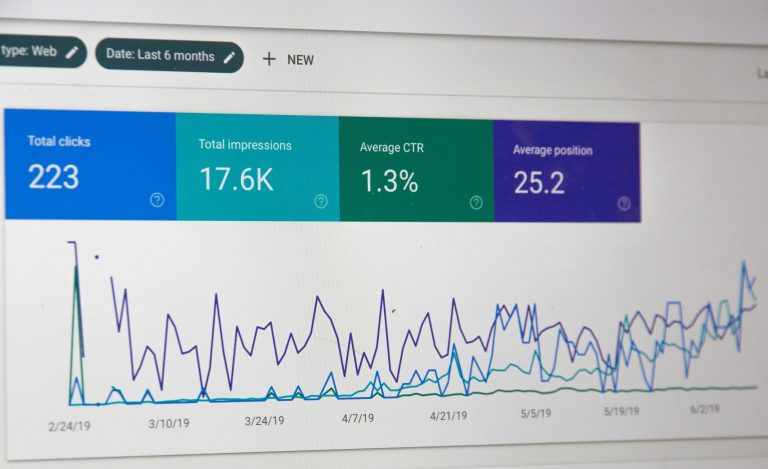
Measure what matters: leads, calls, visits, and conversions. For local businesses, some metrics matter more than pure traffic numbers.
Key metrics to track
- Local organic traffic and local landing page sessions.
- Google Business Profile views, calls, direction requests, and clicks.
- Phone calls and booking form submissions from local sources.
- Conversion rate of local visitors and cost per local lead (for paid campaigns).
- Reviews and reputation signals across platforms.
Tools you should use
A small set of tools can cover most of your local SEO and GEO optimization needs without breaking the bank. Pick the tools that fit your budget and technical comfort level.
Recommended tools
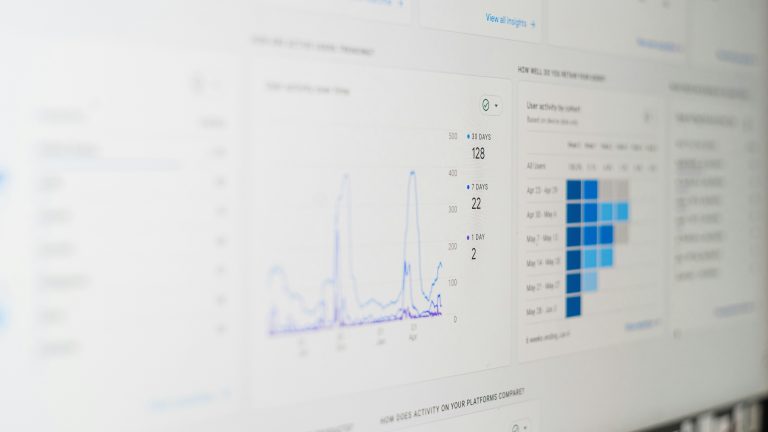
- Google Search Console and Google Analytics for web performance and queries.
- Google Business Profile for local visibility.
- A keyword research tool: Google Keyword Planner or low-cost alternatives.
- BrightLocal, Moz Local, or Yext for citation management and local rank tracking.
- A simple call-tracking tool to measure phone conversions.
Budgeting and timelines: realistic expectations
Local results can be fast if your listings are optimized and you use paid ads. Organic SEO typically takes longer, but it compounds. Plan budgets and timelines based on how quickly you need results.
Budget guidelines
- Low budget (under $500/month): Focus on GBP, consistent listings, and local content.
- Moderate budget ($500–$2,000/month): Add geotargeted ads and professional content creation.
- Higher budget ($2,000+/month): Invest in SEO campaigns, advanced ads, local PR, and ongoing link building.
Common mistakes to avoid
Avoid wasting time on tactics that don’t move the needle. These common mistakes cost money and slow growth.
Mistakes and how to fix them
- Inconsistent NAP across listings — audit and fix all entries.
- No GBP profile or an incomplete one — claim and finish it immediately.
- Too broad keywords for a local business — focus on location-specific intent.
- Ignoring reviews — respond and use feedback to improve.
- Overemphasis on rankings instead of conversions — measure leads, not just positions.
Case study examples (hypothetical but realistic)
Seeing how strategies work in practice helps you decide. These short examples show how different approaches deliver different outcomes.
Case 1: Local café (GEO-first approach)
A café in a busy neighborhood focused on GEO tactics: optimized GBP, local landing page, Instagram ads to nearby zip codes, and a “check-in” promotion. Within 6 weeks, foot traffic rose by 18% and weekday morning sales improved because locals found the café on maps and social.
Case 2: Specialty product retailer (SEO + GEO hybrid)
A small retailer selling specialty boards used SEO for product pages and GEO landing pages for the city and neighboring towns. Combined with local ads during peak seasons, organic sales grew month over month and store visits increased during promotions. Within 4 months, online organic revenue rose by 40% while local ad spend maintained steady foot traffic.
Creating an action plan you can implement this month
You want tactics that produce real outcomes quickly. This short action plan gives daily and weekly tasks to get traction fast, whether you focus on SEO, GEO, or both.
30-day action plan (practical tasks)
Week 1:
- Claim and verify Google Business Profile.
- Audit your site for speed and mobile issues.
- Check and correct NAP consistency across major directories.
Week 2:
- Create or update 2 local landing pages with location-based keywords.
- Add LocalBusiness schema and optimized meta tags.
- Set up basic call tracking and conversion goals in Analytics.
Week 3:
- Publish 2 local-focused blog posts or events content.
- Launch a small geo-targeted ad campaign ($10–$25/day) to test conversion rates.
- Start outreach for local links and partnerships.
Week 4:
- Encourage and respond to customer reviews on GBP and other platforms.
- Review metrics: calls, direction requests, ad performance.
- Optimize ads and landing pages based on initial data.
Frequently asked questions
Q: How long until I see results from GEO optimization? A: You can see improvements in local visibility and phone calls within days to weeks after claiming listings and running targeted ads.
Q: Can I rely on SEO alone for a local business? A: SEO helps long-term, but without GEO tactics your immediate local visibility may lag. A mix is usually best.
Q: How important are online reviews? A: Very important. Reviews directly influence local rankings and customer decisions, and they are a high-trust signal.
Q: Should I create a landing page for every neighborhood? A: Create landing pages for key neighborhoods or service areas where you have demand. Overdoing it with low-quality pages can backfire.
Q: How do I choose between Google Ads and Facebook Ads for GEO targeting? A: Use Google Ads for high-intent searches and Facebook/Instagram for awareness and promotions targeting specific locations and demographics.
Q: What metrics show local growth fastest? A: GBP calls, direction requests, local landing page conversions, and foot traffic are the most direct signals of local growth.
Common questions about tools and reporting
Keep reporting simple and focused. Don’t drown in vanity metrics; track calls, bookings, and local conversions weekly, and check organic keyword trends monthly.
Reporting essentials
- Weekly: calls, booked appointments, ad spend vs. leads.
- Monthly: organic and local traffic, top-performing local pages, review trends.
- Quarterly: ROI, backlink growth, and market reach analysis.
Final recommendation: what to do next
If immediate foot traffic and local leads are critical, prioritize GEO optimization while you build SEO. If you want brand growth beyond your city and can wait for long-term gains, invest in a strong SEO program with localized elements.
How to balance both
- Start by fixing your Google Business Profile, citations, and site basics.
- Launch a small geo-targeted ad test to measure conversion cost.
- Simultaneously publish localized content that follows SEO best practices.
- Reallocate budget to the channels that generate the most profitable local leads.
Conclusion: a plan that matches your priorities
You can grow local revenue by applying GEO tactics for fast wins and SEO for lasting gains. Make adjustments based on measurable results, keep your listings accurate, and prioritize actions that generate real leads for your business. If you follow the steps in this guide, you’ll be positioned to attract more nearby customers and build momentum for future growth.