Black Friday vs. Small Business Saturday: Where Shoppers Plan to Spend
Picture an independent bookstore owner on a downtown block, flipping through the big-box flyers that came in the morning mail. Doorbuster TVs. Half-off toys. Doors open at 5 a.m. on Black Friday.
There is no way a 1,200-square-foot shop can match those prices. But the very next day is Small Business Saturday, and that owner has one question: how many people will actually come?
New survey data offers an answer, and it is more useful than it might first look.
Quick answer
In Deloitte's 2026 Holiday Retail Survey, 52% of shoppers said they are likely to shop Black Friday sales and 20% plan to take part in Small Business Saturday, the same share as last year. Black Friday falls on Nov. 27, 2026, and Small Business Saturday on Nov. 28, so small retailers should compete on experience and value, not doorbuster prices.
Key takeaways
- Black Friday is Nov. 27 and Small Business Saturday is Nov. 28, 2026.
- Deloitte: 52% likely to shop Black Friday sales, 20% Small Business Saturday.
- Planned in-store holiday spending rose about 12%, to $440 on average.
- About a quarter of shoppers plan to buy gifts at local independent stores.
- Small shops should skip price wars and give shoppers reasons to visit Saturday.
When are Black Friday and Small Business Saturday in 2026?
Thanksgiving falls on Thursday, Nov. 26, this year. Black Friday follows on Nov. 27, Small Business Saturday on Nov. 28 and Cyber Monday on Nov. 30. That is a little over three weeks from today.
The five days from Thanksgiving through Cyber Monday are the busiest stretch of the season. The new question for small retailers is how shoppers plan to split their time and money across those days, and the freshest data comes from Deloitte’s 2026 Holiday Retail Survey.
Where do shoppers plan to spend this holiday season?
Deloitte’s survey, published Oct. 15, polled 4,000 U.S. consumers online between Aug. 26 and Sept. 10. Respondents expect to spend an average of $1,654 on the holidays, up 4% from $1,595 last year.
The full report asked which shopping events people are likely to take part in. Here is how the big days compare.
| Shopping event | Likely to participate, 2026 | 2025 |
|---|---|---|
| Black Friday sales | 52% | 51% |
| Cyber Monday sales | 44% | 47% |
| October sales events | 42% | 40% |
| Thanksgiving Day | 23% | 19% |
| Small Business Saturday | 20% | 20% |
Black Friday still leads, and it inched up. Small Business Saturday held steady at one in five shoppers. The biggest movers were earlier events: Thanksgiving Day rose four points, and October sales are now nearly as popular as Cyber Monday.
When asked where they will spend the most, 36% named online retailers and 18% named mass merchants. Deloitte expects 55% of retail holiday budgets to go online and 45% to stores.
How big is Black Friday compared with Small Business Saturday?
Last year’s actual turnout shows the gap. The National Retail Federation reported a record 202.9 million shoppers from Thanksgiving through Cyber Monday 2025. On Black Friday, 80.3 million people shopped in stores and 85.7 million shopped online. On Saturday, 62.7 million shopped in stores and 63 million online. NRF’s figures cover all Saturday shopping, not only small businesses.
Online, Black Friday is expected to grow faster than Cyber Monday this year. Adobe projects $12.9 billion in U.S. online Black Friday sales, up 9.2%, according to Digital Commerce 360.
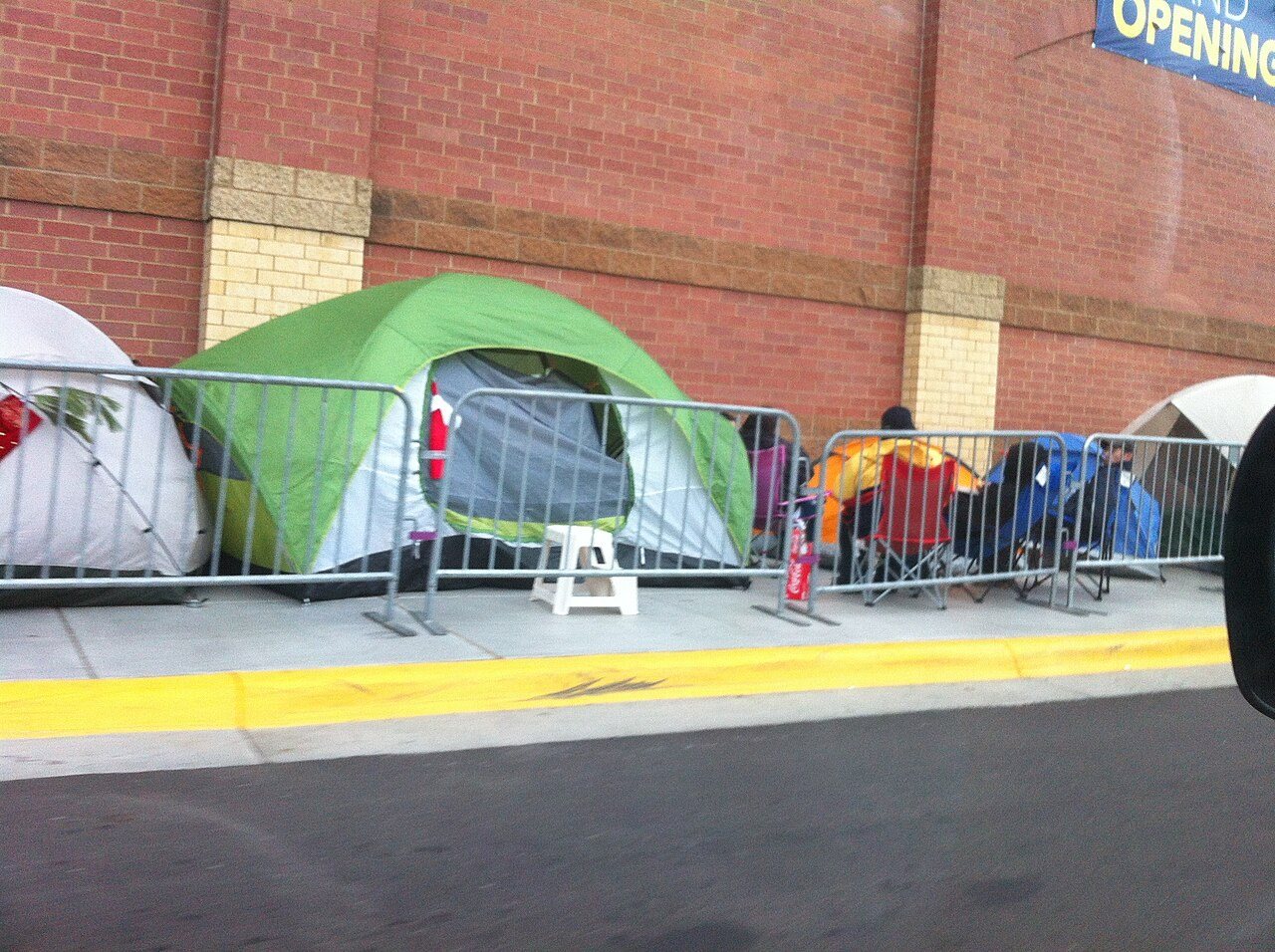
For a small shop, the takeaway is not that Saturday is too small to matter. It is that Black Friday belongs to big promotions, and Saturday is the day a meaningful slice of shoppers sets aside on purpose for local businesses.
Why do shoppers still choose local stores?
About a quarter of Deloitte’s respondents said they plan to shop for gifts at local independent stores, roughly in line with last year. That is a smaller share than online retailers or mass merchants, but it is a committed group.
In-store spending is also rising. Deloitte found respondents plan to spend $440 in stores on average, up from $394, an increase of about 12%. Shoppers expect to visit four physical stores on average, the same as last year.
Some categories lean heavily toward stores. Respondents said they would rather buy food and beverage items in person by 81% to 19%. Pet, home and kitchen, health and wellness, and clothing also tilted toward in-store. Electronics and toys tilted toward online.
Paying too much to take cards?
Qualifying merchants who switch payment processors can get a free $10,000 growth package, including a website, Google Business Profile, landing pages, content and tracking, through our partner Fees to Growth. (Partner offer)
What do these numbers mean for small retailers?
Price and value ranked as the top factor shoppers use to choose a retailer, followed by convenience and product. Deloitte also identified 38% of respondents as “holiday value seekers” who use five or more cost-saving tactics, and found they plan to spend 12% more than other shoppers. Value hunters are not cheap customers. They want to feel they made a smart choice.
That points to a few practical moves for the next three weeks:
- Do not try to win Black Friday on price. Big chains will run deep markdowns that would wipe out a small shop’s margin. Use Friday to remind customers that Saturday is coming.
- Make Saturday a reason to visit. A gift-wrap station, a local maker on site, an early-bird gift with purchase or a neighborhood event gives shoppers something online stores can’t.
- Sell value through bundles. Gift sets and add-ons protect margin while still feeling like a deal. Our guide to price-pack architecture explains how.
- Use packaging as part of the gift. Shoppers buying in person often want something ready to give. Our look at packaging as a profit lever covers how small brands test what is worth the cost.
- Lean into experiences. Half of Deloitte’s respondents plan to give an experience this year, and most want to pair it with a physical gift. Classes, tastings or service packages bundled with a product fit that.
- Reach younger shoppers early. Deloitte found 80% of younger shoppers plan to join at least one Thanksgiving-week event, compared with 62% of older shoppers. Post your plans on social media and your Google Business Profile now.
Timing matters too. Deloitte found shoppers expect 28% of their holiday budget to be spent by the end of October, the highest share in six years. Shopping activity then peaks in late November and early December. If you have not finished your holiday prep, our list of Q4 moves for the holiday rush is a quick checklist.
What will the final holiday numbers show?
Survey answers describe intentions, not receipts. NRF expects November and December retail sales to reach $1.013 trillion, up 4.2%, according to its Oct. 15 forecast. Last year, NRF released its Thanksgiving weekend turnout figures on Dec. 2, so the first hard numbers on this year’s long weekend will likely arrive in early December.
Until then, the survey gives small retailers a fair read: Black Friday will be crowded, Saturday is steady and in-store spending has room to grow.
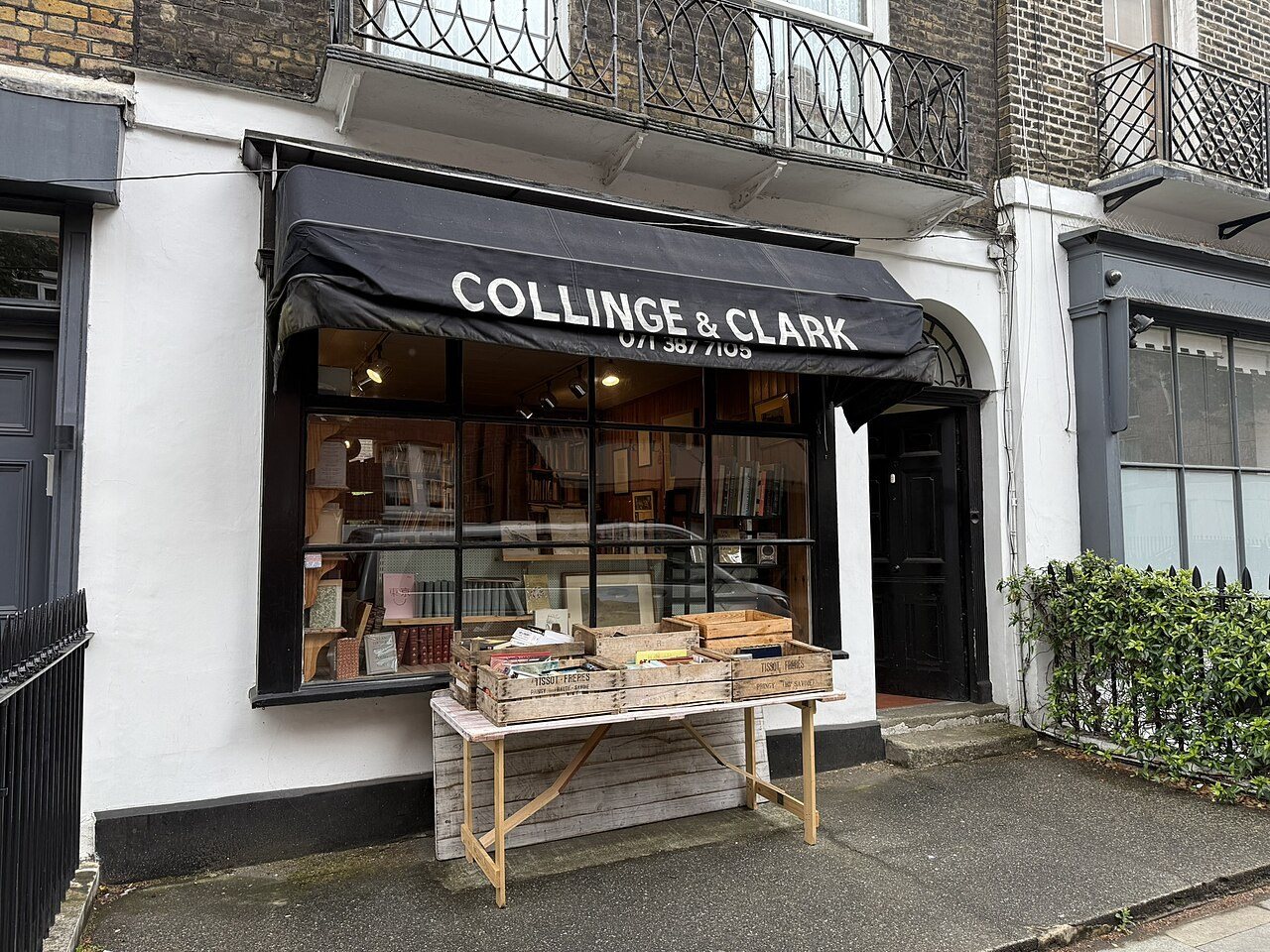
For the bookstore owner looking at those big-box flyers, the plan writes itself. Let the chains have Friday. Spend the next three weeks giving regulars and neighbors a reason to come downtown on Saturday, and make the visit feel worth more than the discount they could have found online.
Get your story in Business News Life
Planning something special for Small Business Saturday? Business News Life wants to hear how local shops are drawing customers that weekend, and what worked last year.
Frequently asked questions
What day is Small Business Saturday in 2026?
Small Business Saturday is Saturday, Nov. 28, 2026, the day after Black Friday. It always falls on the Saturday after Thanksgiving, which is Nov. 26 this year.
Is Black Friday or Cyber Monday bigger?
By shopper participation, Black Friday leads. In Deloitte's 2026 survey, 52% said they are likely to shop Black Friday sales versus 44% for Cyber Monday. By online dollars, Adobe expects Cyber Monday to remain the single biggest online shopping day.
How many people shop on Black Friday?
The National Retail Federation reported that 80.3 million people shopped in stores and 85.7 million shopped online on Black Friday 2025. NRF counted a record 202.9 million shoppers across the full Thanksgiving-to-Cyber-Monday weekend.
Do holiday shoppers prefer to buy online or in stores?
Online has the edge. Deloitte expects 55% of retail holiday budgets to be spent online and 45% in stores. Some categories, especially food and beverage, still lean strongly toward buying in person.
How can a small business compete with Black Friday deals?
Most small shops do better by offering experiences, service, bundles and gift-ready packaging than by matching big-chain discounts. Promoting a Small Business Saturday event in advance gives local shoppers a specific reason to visit.
Sources
- Deloitte: 2026 Holiday Retail Survey
- Deloitte: 2026 Holiday Retail Survey full report (PDF)
- NRF: Thanksgiving holiday weekend draws a record 203 million shoppers
- Digital Commerce 360: Adobe projects 2026 online holiday sales of $275 billion
- NRF: NRF Forecasts 2026 Holiday Sales Growth as Consumers Remain Resilient
Read us often? Make Business News Life a preferred source in Google Search and see our reporting more often in Top Stories.