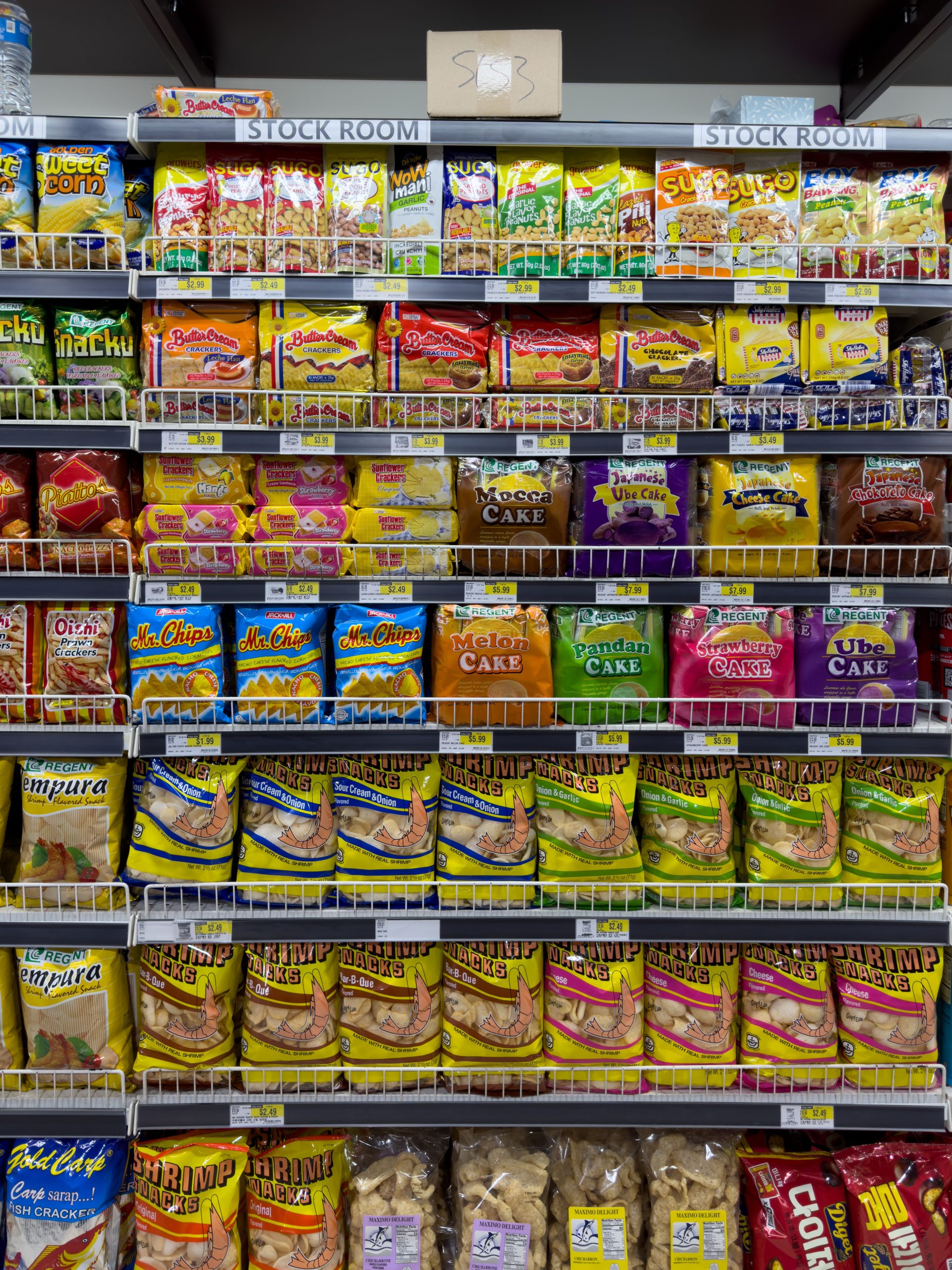
Price-Pack Architecture: How to Raise Prices Without Losing Customers
Frequently asked questions
What is price-pack architecture?
It is the deliberate design of product sizes or offers at distinct value and price points.
How should a business test a pricing change?
Set a clear hypothesis, change one element at a time, and monitor mix, conversion, repeat purchase, and margin.
When the cost of ingredients, packaging, freight, and energy all rise at once, the founder’s instinct is simple: raise the price. Move the 12oz bag from $6.99 to $7.99, absorb the grumbling, and hope customers stay. It feels decisive. It’s also one of the fastest ways to lose the shelf.
Key takeaways
- A flat price hike loses your most price-sensitive customers and shelf velocity at once.
- A price ladder means Entry, Core, and Pro sizes serve different wallets and occasions.
- Entry sizes carry the highest price per ounce but win low-risk impulse buys.
- Larger Pro packs earn a lower per-ounce price honestly through freight efficiency.
- Match pack size to the retail channel — club, convenience, and grocery each reward different formats.
A blanket increase treats every customer the same, when the truth is they aren’t. Some will pay more without blinking. Some are already stretching to afford you. And some just wanted a small, cheap version they could try. Push a single price up across the board and you quietly wave goodbye to the last two groups at the exact moment you need volume most. There’s a more deliberate way to handle rising costs, and it goes by a slightly clinical name: price-pack architecture.
What price-pack architecture actually means
Most small brands price with a cost-plus formula: add up your costs, tack on a margin, print the number on the label. It’s clean and easy to defend, and it works fine until costs move. Then you’re stuck raising one price on one product and watching what happens.
Price-pack architecture (PPA) starts from a different question. Instead of asking “what should this bag cost?” it asks “what sizes, prices, and formats should this product come in, and for which buying occasions?” The goal is a range of entry points rather than a single one, so a customer whose budget just tightened has somewhere to land inside your brand instead of leaving it.
Concretely, that means looking at your standard product and asking whether it should be joined by a smaller trial size, a larger value pack, a multipack, or an occasion-specific version. Each of those hits a different wallet and a different moment. The 2oz on-the-go pack is an impulse buy. The 32oz pantry loader is a stock-up. The multipack is a “might as well grab a few.” None of them cannibalize the core product if they’re designed to serve buyers the core product was never reaching.
Why volume matters more than you think
Here’s the trap in protecting margin at all costs: in retail, price and shelf presence are linked. If your sales velocity, the rate at which units move off the shelf, drops far enough, the retailer stops carrying you. Margin on a product nobody stocks is zero.
So when costs spike, the question isn’t only “how do I keep my per-unit margin?” It’s “how do I keep moving enough units to justify my spot?” Those two goals can pull in opposite directions, and PPA is a way to serve both. If premium ingredients get expensive, a small “mini” version keeps an accessible price on the shelf for impulse buyers while protecting your margin per ounce. You stay in the store, in the cart, and in the customer’s routine, even as your headline product gets pricier.
The math of a good price ladder
The instinct behind PPA is sometimes misread as “just make everything smaller.” Shrinking the package while holding the price, the tactic shoppers now call shrinkflation, is the blunt version, and customers increasingly catch it. The sharper move is to build a deliberate price ladder and understand what each rung contributes.
Think of three tiers: Entry, Core, and Pro.
- Entry is your smallest size. A 2oz trial pack usually carries the highest price per ounce on the ladder, but because the total out-of-pocket cost might be $1.99, the buyer reads it as a low-risk yes rather than an expensive one. Entry sizes recruit new customers and win impulse buys.
- Core is your workhorse, the 12oz bag most regulars reach for. This is the size most exposed to cost shocks, and the one where a price hike does the most damage to volume.
- Pro is your bulk or value size. A 32oz pantry pack carries the lowest price per ounce, which sounds like giving margin away, until you account for logistics.
That last point is where the ladder pays off. Suppose freight on your Core bag jumps 15%. You could raise the Core price and risk a disproportionate drop in volume, because the Core buyer is the most price-sensitive to a change on the item they buy every week. Or you could introduce a larger Pro size. Shipping more product in a single package lowers your transport cost per ounce, which lets you offer the customer a genuine per-ounce discount and hold your business math together. The value size isn’t charity; it’s freight efficiency passed partway along.
Use data to pick the size, not a hunch
The weakest part of most pricing decisions is that they’re guesses. A founder decides a trial size “feels right” and commits to a production run before knowing whether anyone wants it. You can do better by reading the signals you already generate.
If your online ads pull strong engagement in higher-income areas, that’s a nudge toward premium bundles or gift-oriented multipacks for those buyers. If your data shows people searching for your brand but abandoning the cart, that’s a fairly direct signal that your entry price is too high for the audience showing up, and an argument for a smaller, cheaper size, possibly stocked specifically in the neighborhoods where that drop-off clusters.
The principle underneath is worth stating plainly: right-sizing isn’t a euphemism for squeezing customers. It’s using what you know about how your buyers actually live to meet them at a price they can say yes to, while keeping your own business solvent. Empathy and arithmetic aren’t opposites here. The founders who do this well are ruthless about the numbers precisely so they can be generous about access.
A quick illustration
Consider a curated gift-box company. Its flagship product is a premium box in the $170–$180 range, aimed at milestone gifting: a promotion, a wedding, a major thank-you. It’s a beautiful product, and it’s also a lot to spend on a “just because” gift.
Now imagine a key input, say a specialty candle inside the box, gets more expensive because of a supply shock. One option is to raise the flagship to $200 and accept that some buyers step away. The PPA option is to launch a lighter version, a smaller box that keeps the core feeling of the gift, maybe just the candle and cookies, at an entry price under $50. That opens up the casual, “thinking of you” occasion the flagship was too heavy for, without discounting the flagship itself or diluting what the brand stands for. Same brand, two rungs, two very different buying moments.
Match the pack to the channel
One more layer worth designing on purpose: different retail channels reward different pack sizes. Club stores move on bulk value, so a large multipack fits. Convenience stores and vending reward small, higher-margin single units. If you ship the same SKU everywhere, you’re leaving money on the table in some channels and pricing yourself out in others. Deciding the pack per channel, rather than defaulting to one size for all, is quietly one of the higher-leverage moves in the whole exercise.
The bottom line
Plenty of founders will spend months agonizing over a logo and about ten minutes on how their products are priced and sized, then find themselves underwater the first time freight costs move. Pricing deserves more of that attention, and it rewards it.
Treat your pricing like something that evolves rather than something you set once. A few practical takeaways to carry:
- Resist the flat hike. One price moving up across the board is the option most likely to cost you your most price-sensitive customers and your shelf velocity.
- Build a ladder, not a single rung. Entry, Core, and Pro sizes each do a different job. Know the margin contribution and the buying occasion behind every one.
- Let bulk earn its discount. Larger sizes can carry a lower price per ounce honestly, because shipping more in one package genuinely lowers your per-unit logistics cost.
- Decide with data. Cart drop-off, regional engagement, and search behavior tell you which size to launch and where. Guessing is the expensive way.
- Design for the channel. Big value packs for club, small high-margin units for convenience. One SKU for all channels is rarely the right answer.
Rising costs are largely outside your control. How you package a response to them isn’t. A thoughtful price-pack architecture lets you stay accessible to the customers who love you, defend the volume that keeps you on the shelf, and protect the margin that keeps the lights on, all without pretending you can absorb every cost increase quietly. That’s not a marketing trick. It’s just running the business with both eyes open.
Frequently asked questions
What is price-pack architecture?
Price-pack architecture, or PPA, is a pricing method that replaces a single price for a single product with a range of sizes, prices, and formats designed for different buying occasions. Instead of cost-plus math on one SKU, you build a lineup of entry, core, and value packs so budget-tight customers can stay inside the brand rather than leaving it for a competitor.
Why is a blanket price increase risky?
A blanket increase treats every customer the same when they aren’t. Some buyers will pay more, but price-sensitive shoppers walk away right when you need the volume. Worse, retail shelf presence is tied to sales velocity — if units stop moving fast enough, the retailer stops carrying you. Margin on a product nobody stocks is zero.
How does a price ladder actually work?
A price ladder has three tiers. Entry is a small trial pack, often the highest price per ounce, but low out-of-pocket cost that reads as a yes. Core is your workhorse, the size regulars reach for and the one most exposed to cost shocks. Pro is a bulk or value size with the lowest price per ounce, funded by freight efficiency.
How is bulk pricing different from shrinkflation?
Shrinkflation shrinks the package while keeping the price the same, a trick shoppers now spot easily. A real value pack goes the other way: it ships more product per package, which lowers your logistics cost per ounce, and you pass part of that saving along as a genuine per-ounce discount. It’s freight math, not sleight of hand.
How do you decide which pack size to launch?
Use the signals your business already generates. Strong ad engagement in higher-income areas argues for premium bundles or gift-oriented multipacks. Search traffic that abandons the cart suggests your entry price is too high for the audience showing up, so a smaller, cheaper size — possibly targeted to the neighborhoods where drop-off clusters — fits better than another Core price hike.
Sources & further reading
Read us often? Make Business News Life a preferred source in Google Search and see our reporting more often in Top Stories.